
Wicklow Mountains: Seasonal Walking Guide for Retirees
The mountains change dramatically with each season. Here's what to expect and how to prepare for spring, summer, autumn, and winter walks in Wicklow.
Why Seasons Matter in Wicklow
Wicklow's mountains aren't the same place twice. The trails you walk in May look completely different in November. Temperature shifts, daylight hours, ground conditions — they all change what's possible and what's safe.
As a retiree, you've got time to plan properly. You don't need to rush into conditions that don't suit you. We're going to walk through each season, show you what changes, and help you pick the right time to explore.
Each brings different challenges and rewards
Comfortable walking temperature for most retirees
Summer offers longest walking windows
Spring (March to May): Awakening Trails
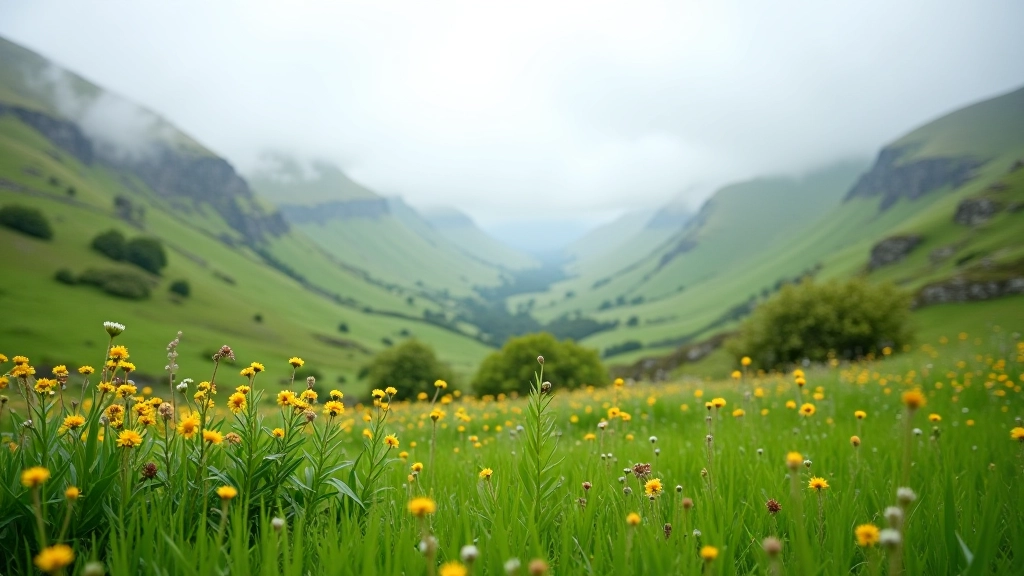
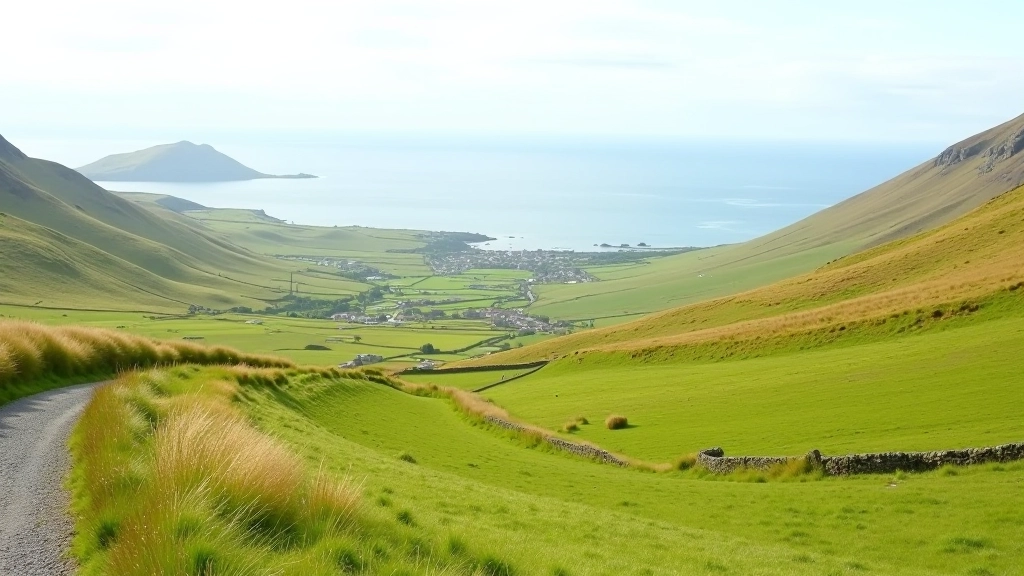
Spring's the sweet spot if you're restarting after winter. The mountains are waking up — new growth on the trees, wildflowers appearing on the lower slopes. Temperatures sit between 8-14°C, which feels refreshing without being cold.
Here's what works well: The ground's firmed up from winter but not rock-hard. Trails dry out quickly after rain. You'll have 11-13 hours of daylight, so an early start gives you the whole afternoon. Rain's common though — that's just Irish spring.
Spring Walking Essentials
- Layering is non-negotiable — mornings are cold, afternoons warm up
- Waterproof jacket isn't optional, it's required
- Start early to maximize daylight
- Trails can be muddy — good grip matters on footwear
Summer (June to August): Long Days and Reliable Weather
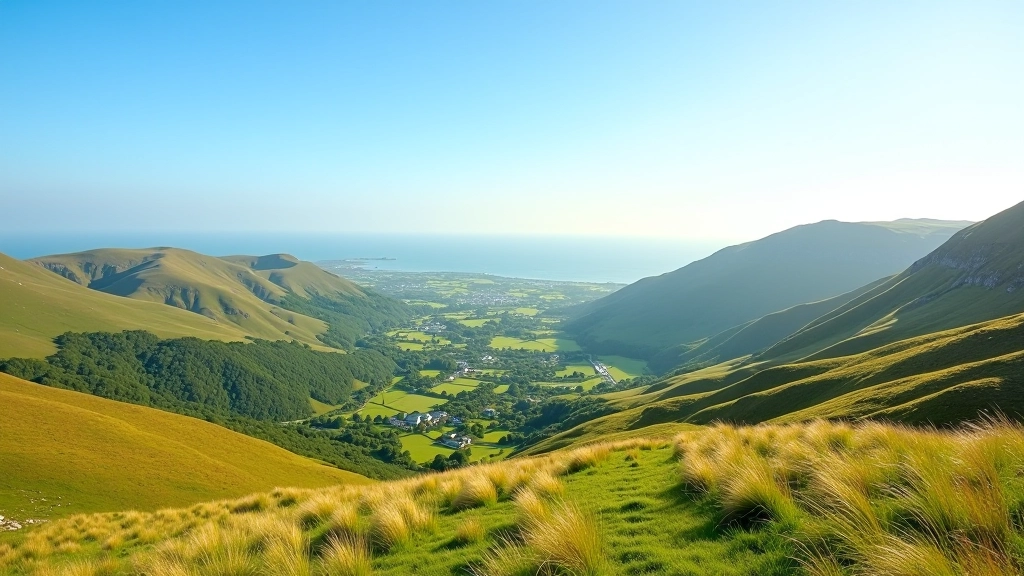
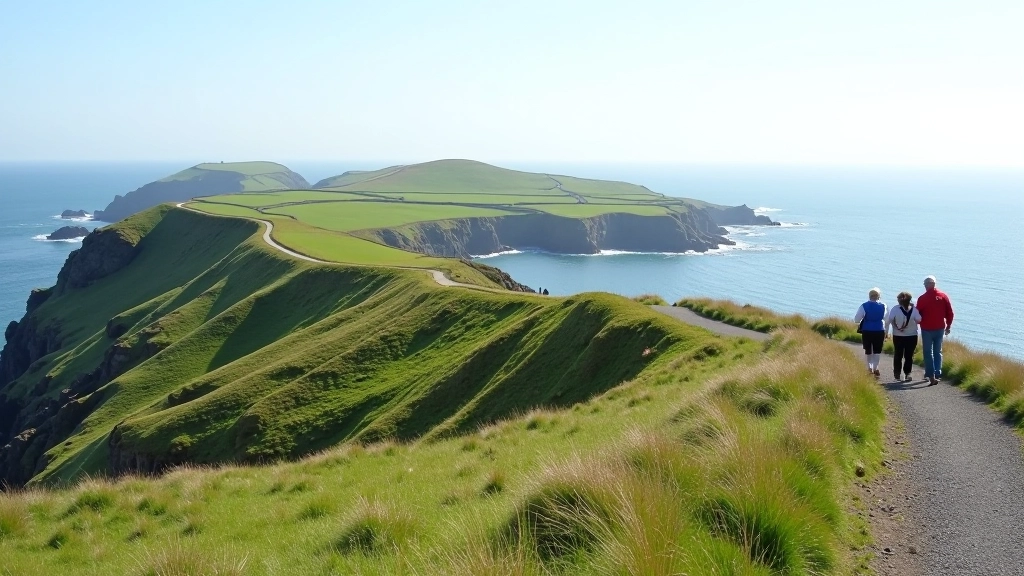
Summer's the obvious choice. Temperatures between 15-18°C, which feels pleasant for moving around. You'll get 15-16 hours of daylight — sunset isn't until 9pm in June. The trails are dry, the ground's solid, and the views stretch for miles.
The catch? It's busier. More people means more crowded paths, especially weekends. The midges can be annoying on still days too. But if you're comfortable with company and don't mind starting early to beat the crowds, summer gives you the most walking flexibility.
Summer Advantages
Longest daylight hours mean you can start mid-morning and still have hours left. Weather's stable enough to plan with confidence. Popular trails have the best maintenance. But bring sun protection — Irish sun reflects off those mountains.
Autumn (September to November): Color and Crisp Air
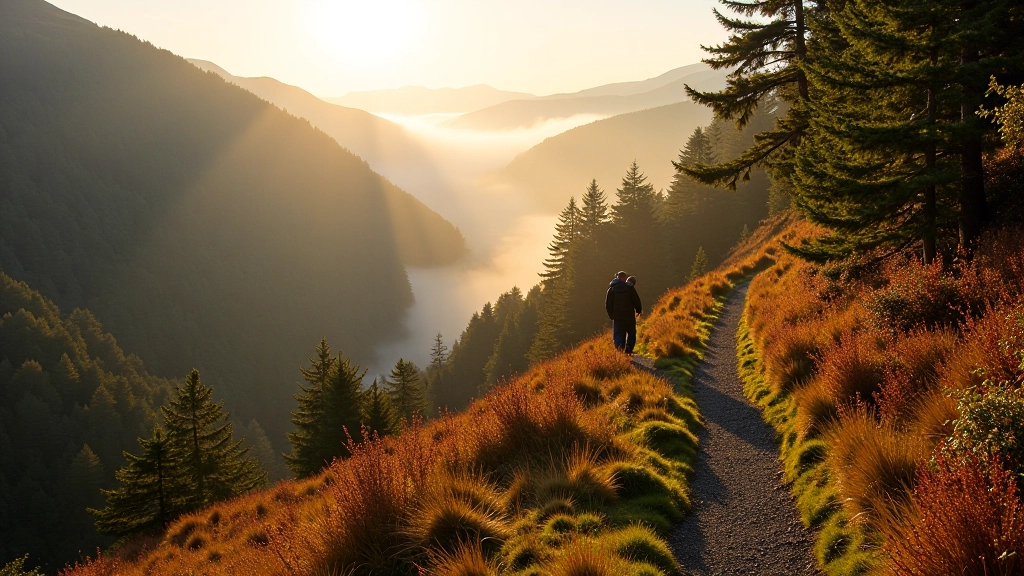
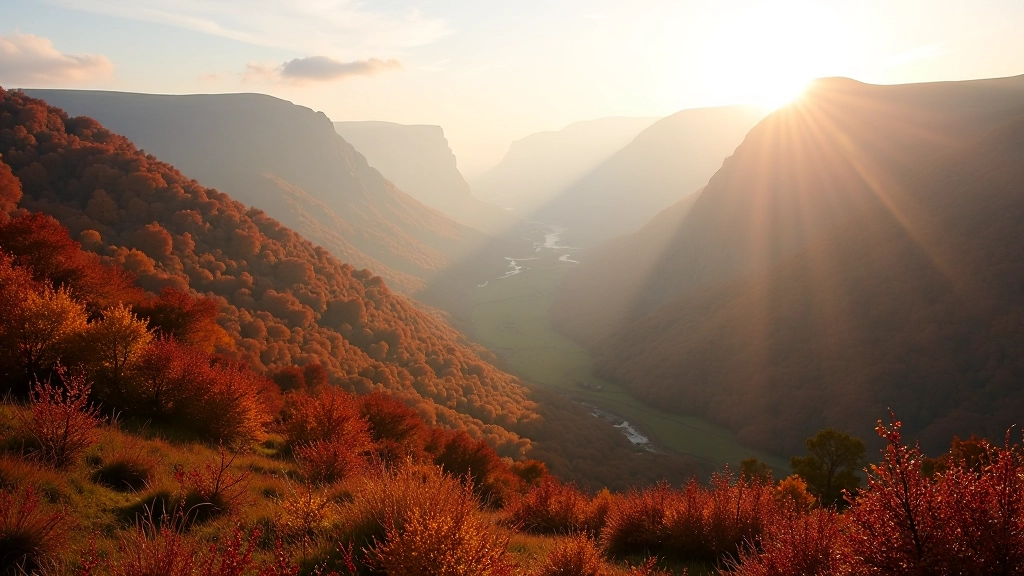
Autumn's underrated. The mountains shift through golds and reds. Temperatures hover between 10-14°C — cool but not harsh. You've still got 10-12 hours of daylight, which is plenty for a solid walk. And here's the thing: fewer people. The school holidays are done, the summer crowds have moved on.
The ground changes though. Fallen leaves hide rocks and uneven sections. Trails get slippery when wet. Rain increases in October and November. You need good footwear with proper grip, and you need to watch your step more carefully than in summer. But if you're willing to slow down a bit, autumn's genuinely special.
Autumn Challenges to Know
Wet leaves on steps are slippery. Daylight fades quickly in November — aim to be off the mountain by 4pm. Weather can turn fast. But the rewards? Solitude and color you won't get anywhere else.
Winter (December to February): Challenging but Rewarding
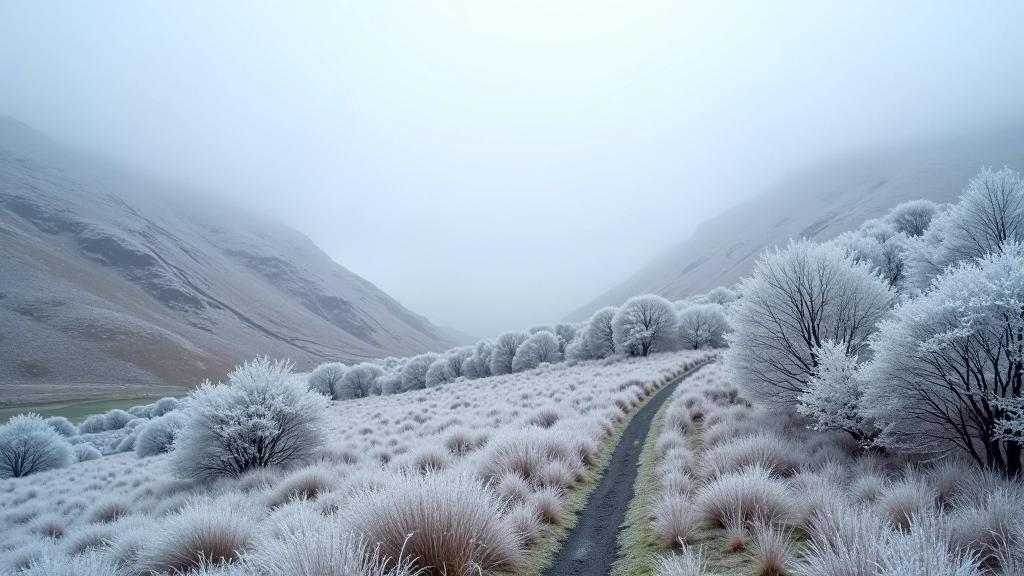
Winter's not for everyone. Temperatures drop to 3-8°C. Daylight's short — you're lucky to get 8 hours. The ground freezes, becomes hard and treacherous. But some retirees genuinely prefer this. The mountains are peaceful. You won't see another soul. The air's crisp in a way that clears your head.
You need different gear though. Thermal layers, a proper insulated jacket, waterproof pants. Your pace will be slower — ice under fallen leaves is dangerous. Many lower routes become impractical. But if you're fit, experienced with mountain walking, and prepared for serious cold, winter in Wicklow has a stark beauty that's worth experiencing at least once.
Winter Walking Requirements
Microspikes or crampons for icy conditions. Gaiters to keep snow out of boots. A headlamp — darkness comes at 4:30pm. And honestly? A walking companion. Never walk alone in winter mountains. The risks are higher, and you need someone if something goes wrong.
Important Information
This guide provides educational information about seasonal walking conditions in Wicklow Mountains. Weather, trail conditions, and accessibility change frequently. Always check current conditions with local hiking groups, check weather forecasts before departure, and consider consulting with a healthcare provider about your fitness for mountain walking, especially in winter conditions. You're responsible for your own safety decisions and equipment choices.
Choosing Your Season
The mountains are there year-round, but they're genuinely different places depending on when you visit. Spring suits restarting after winter. Summer offers the most hours and most reliability. Autumn brings solitude and color. Winter's for those who want real challenge.
As a retiree, you've got an advantage most walkers don't — flexibility. You don't need to squeeze a mountain walk into a Saturday afternoon. You can pick the season that suits you best, plan properly, and take your time. That's the real gift of having the time to explore.
Start with spring or early summer. Get to know the basic routes when conditions are forgiving. Then, as you build experience and confidence, you can explore what autumn and winter have to offer. The mountains aren't going anywhere. They'll be waiting for you in whatever season you choose.